Back to Routine Without Going Back to Survival Mode
Why September can increase stress, overwhelm, and nervous-system dysregulation - and how to create a more sustainable transition into fall.
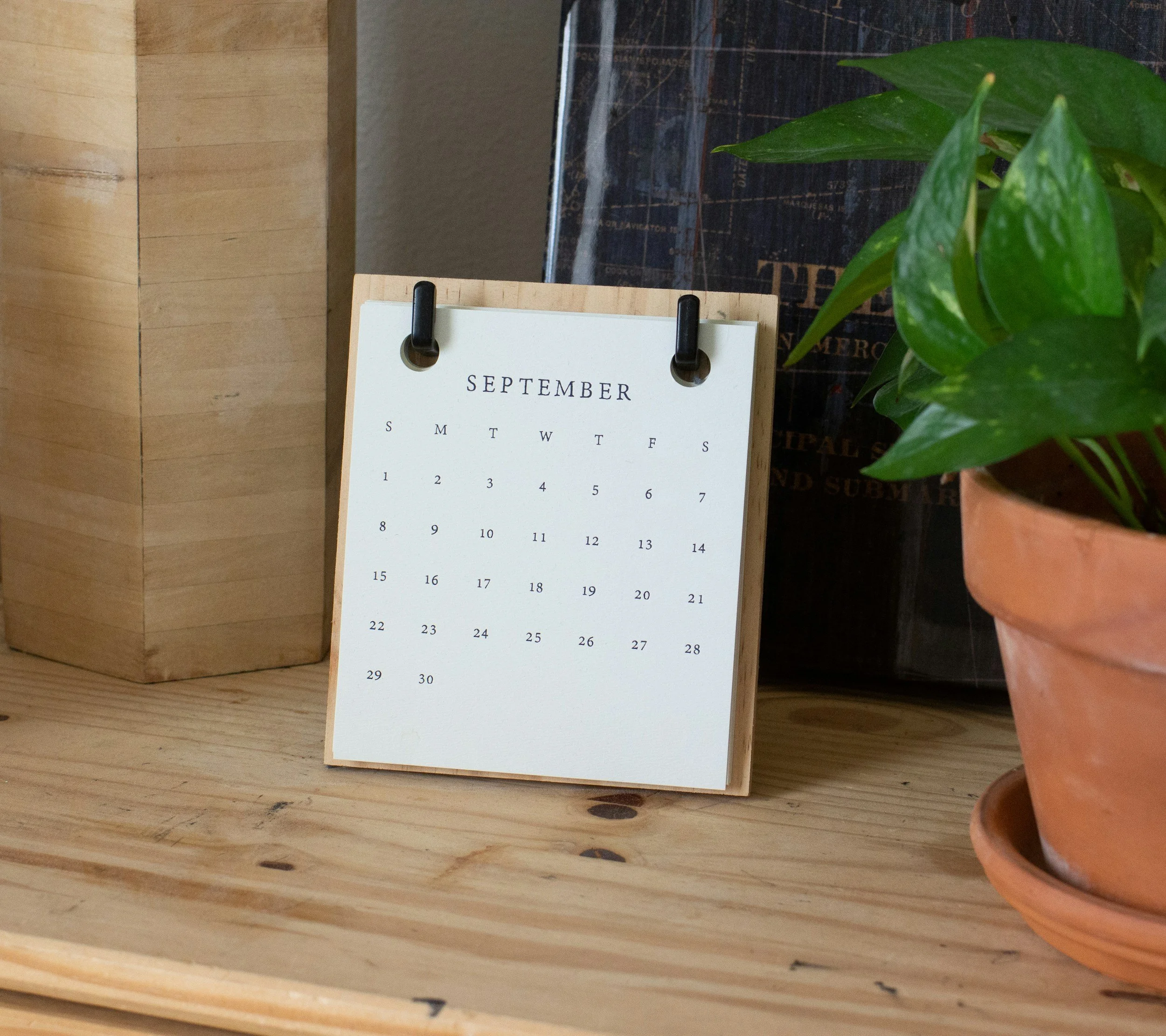
September often brings a noticeable shift in pace.
School starts. Work picks up. Activities return. Schedules fill. Mornings get earlier, days feel shorter, evenings get busier, and the pressure to “get back into routine” can arrive quickly.
For some people, that structure feels grounding. For others, September can bring more anxiety, irritability, exhaustion, disconnection, or overwhelm than expected.
That does not necessarily mean anything is going wrong.
Transitions require adjustment.
Even positive changes ask our brains and nervous systems to adapt to new demands, expectations, environments, routines, and relationships. When several of those changes happen at once, we can feel the impact emotionally, cognitively, physically, and relationally.
Sometimes what looks like a productivity problem is actually an overload problem.
Why September Can Feel So Overwhelming
September is often treated like a fresh start.
We are encouraged to get organized, establish routines, become more productive, sign up for activities, reset our schedules, and somehow start doing everything “better.”
But the nervous system does not experience transition as a productivity challenge.
It experiences change.

Even when the change is expected or positive, the brain is taking in more information than usual:
new schedules
different sleep and wake times
increased social demands
changes in childcare or school routines
heavier workloads
extracurricular activities
transportation demands
less downtime
changing daylight
new expectations at home, work, or school
When several of these happen at once, our capacity can become stretched.
You might notice yourself feeling more impatient, scattered, tense, emotional, reactive, or exhausted even though nothing particularly dramatic has happened.
That is often the point.
Stress is not always one major event.
Sometimes it is the cumulative effect of too many small demands with too little recovery between them.
Signs You May Be Moving Into Overload
Stress rarely affects just one part of us. It can show up physically, mentally, emotionally, relationally, and even in our sense of connection or meaning.
You don’t need to experience all of these to be overloaded. Sometimes the earliest sign is simply noticing that you don’t quite feel like yourself.
-
muscle tension, headaches, or jaw clenching
disrupted sleep
fatigue despite resting
changes in appetite
feeling restless or physically “on edge”
stomach or digestive changes
frequent aches or tension
-
difficulty concentrating
forgetfulness
racing thoughts
decision fatigue
procrastination
feeling mentally scattered
difficulty prioritizing
feeling like everything is urgent
-
irritability or less patience
feeling overwhelmed more easily
anxiety or worry increasing
emotional “crashes” at the end of the day
numbness or disconnection
feeling unusually sensitive or reactive
increased perfectionism or self-criticism
-
snapping at partners, children, or coworkers
withdrawing from people
feeling resentful when others need something
difficulty asking for help
people-pleasing or over-functioning
feeling responsible for keeping everyone else okay
less capacity for connection or intimacy
-
feeling disconnected from yourself
going through the motions
losing interest in things that usually feel meaningful
feeling disconnected from your values
questioning your direction or purpose
feeling like life has become mostly responsibilities
struggling to make space for reflection, creativity, or joy

For children and teens, overload may look more behavioural.
It may show up as:
meltdowns after school
increased irritability
difficulty separating in the morning
school avoidance
changes in sleep
more reassurance-seeking
emotional outbursts
withdrawal
increased conflict at home
Sometimes children hold themselves together throughout the school day and then unravel when they get home.
That does not necessarily mean home is the problem.
Home may be where their nervous system finally feels safe enough to release the effort it took to manage the day.
Routine Can Be Regulating - Until It Becomes Rigid
Routine can be incredibly supportive.
Predictability helps our nervous systems know what is coming next. It reduces some of the cognitive load of constantly making decisions and can create a sense of stability during busy periods.
But there is an important difference between structure and rigidity.

A supportive routine says:
“This helps me take care of myself.”

A rigid routine says:
“Everything needs to go according to plan or I am failing.”
September can make it easy to turn routine into another form of pressure.
We start trying to optimize everything - mornings, meals, exercise, school, work, activities, appointments, and home life - until the routine meant to support us becomes another standard to meet perfectly.
A sustainable routine should have room for:
flexibility
shortcuts
rest
changing plans
lower-capacity days
Supportive structure helps you function. Rigid structure makes you feel like you’re failing when real life gets in the way.
Survival Mode Does Not Always Look Like Falling Apart
One of the biggest misconceptions about stress and burnout is that they always look obvious.
Sometimes survival mode looks highly functional.
You may still be working, parenting, answering emails, helping others, and keeping everything moving - while internally feeling exhausted, reactive, resentful, disconnected, or completely depleted.
High functioning does not always mean well functioning.
“Instead of only asking “Can I keep doing this?”
Try asking “What is it costing me to keep doing this?””
Stress Can Show Up in Different States
Stress can show up differently from person to person. Open each section below and notice which state feels most familiar right now.
You may recognize more than one - and your stress state can shift throughout the day.
-
You may notice: anxiety, tension, irritability, racing thoughts, or feeling constantly rushed.
Your system may need: less stimulation + slower input.
Try: stepping outside, lowering noise, putting your phone away, slowing your breathing, or stretching.
-
You may notice: heaviness, numbness, brain fog, exhaustion, procrastination, or difficulty getting started.
Your system may need: gentle activation - not more pressure.
Try: changing rooms, getting daylight, putting on music, moving for a few minutes, or starting with one very small task.
-
You may notice: everything feels urgent, difficulty prioritizing, forgetfulness, irritability, or feeling behind before the day begins.
Your system may need: fewer demands.
Ask: What can I delay, delegate, simplify, or remove today?
-
You may notice: automatically saying yes, taking responsibility for others, difficulty asking for help, guilt when resting, or resentment building underneath “I’m fine.”
Your system may need: permission to carry less.
Ask: What am I taking responsibility for that may not actually belong to me?
Try This: Regulate Before You Reorganize
When everything feels chaotic, our instinct is often to make another list, fix the schedule, or push harder.
Before reorganizing everything around you, take a moment to check in with what is happening within you.
-
Pause and ask:
What am I feeling right now?
What am I noticing in my body?
What thought keeps repeating?
What feels most urgent?
The goal is simply to notice - not immediately fix.
-
Ask: What might my system need right now?
Food
Water
Movement
Quiet
Fresh Air
Connection
Rest
Less Stimulation
Choose one.
Small shifts can help create enough space to think more clearly.
-
Ask: What can I make easier today?
Could something be:
Delayed
Delegated
Simplified
Dropped
Sometimes the most regulating thing we can do isn’t adding another coping strategy - it’s removing one demand.

The 60-Second Reset
When you don’t have time for anything else, remember:
NOTICE
What state am I in?
NEED
What does my system need most?
NEXT
What is one useful next step?
The goal isn’t to eliminate stress. It’s to create enough space between reaction and response to give yourself a little more choice.
How Psychotherapy Can Help
When the return to routine starts to feel like constant overwhelm, anxiety, irritability, shutdown, or pressure to keep pushing through, psychotherapy can help you understand what is driving those reactions and build more sustainable ways of coping.
Sometimes the stress is about the schedule itself.
Sometimes the schedule is activating patterns that were already there, such as:
perfectionism
fear of disappointing others
difficulty saying no
over-responsibility
trauma responses
relationship patterns
shame
feeling responsible for keeping everyone else okay
Psychotherapy can help you move beyond simply managing the schedule and begin addressing the patterns underneath the stress.
The goal is not perfect regulation.
It is greater awareness, flexibility, and capacity - so you can respond with more choice instead of reacting on autopilot.
How Holistic Wellness Can Help
Stress does not only show up in your thoughts.
It can affect your sleep, energy, focus, digestion, muscle Tension, daily functioning, and nervous-System Regulation
Whole-person support can be especially helpful during periods of increased demand.

At Spear, holistic wellness services include:
Registered Massage Therapy
Integrative Massage Therapy
Neurofeedback
ADHD Coaching
Transformational Coaching
Holistic Nutrition
Community Breathwork Circles
These services support the physical, practical, and nervous-system side of stress - helping make regulation, focus, recovery, and healthy routines feel more manageable.
Sometimes the most effective support comes from looking at the whole person, rather than treating each symptom in isolation.
A More Sustainable September
You do not need to:
adjust to the new routine perfectly
say yes to everything that fits in the calendar
wait until you are completely depleted before changing something
prove that you are struggling “enough” before asking for support
Instead of asking:
“How do I get everything done?”
Try asking:
“What would make this season feel more sustainable?”
Getting back into routine does not have to mean doing more. Sometimes it means creating a rhythm with enough flexibility, recovery, and space for you to actually live inside it.

Looking for Support?
Spear Wellness Centre offers psychotherapy and holistic wellness services designed to support the whole person.
Whether you are navigating anxiety, burnout, trauma, grief, relationship concerns, school stress, ADHD, nervous-system dysregulation, physical tension, or a major life transition, our team can help you explore what kind of support may be the right fit.